Guide to the Christmas Tree Ornaments
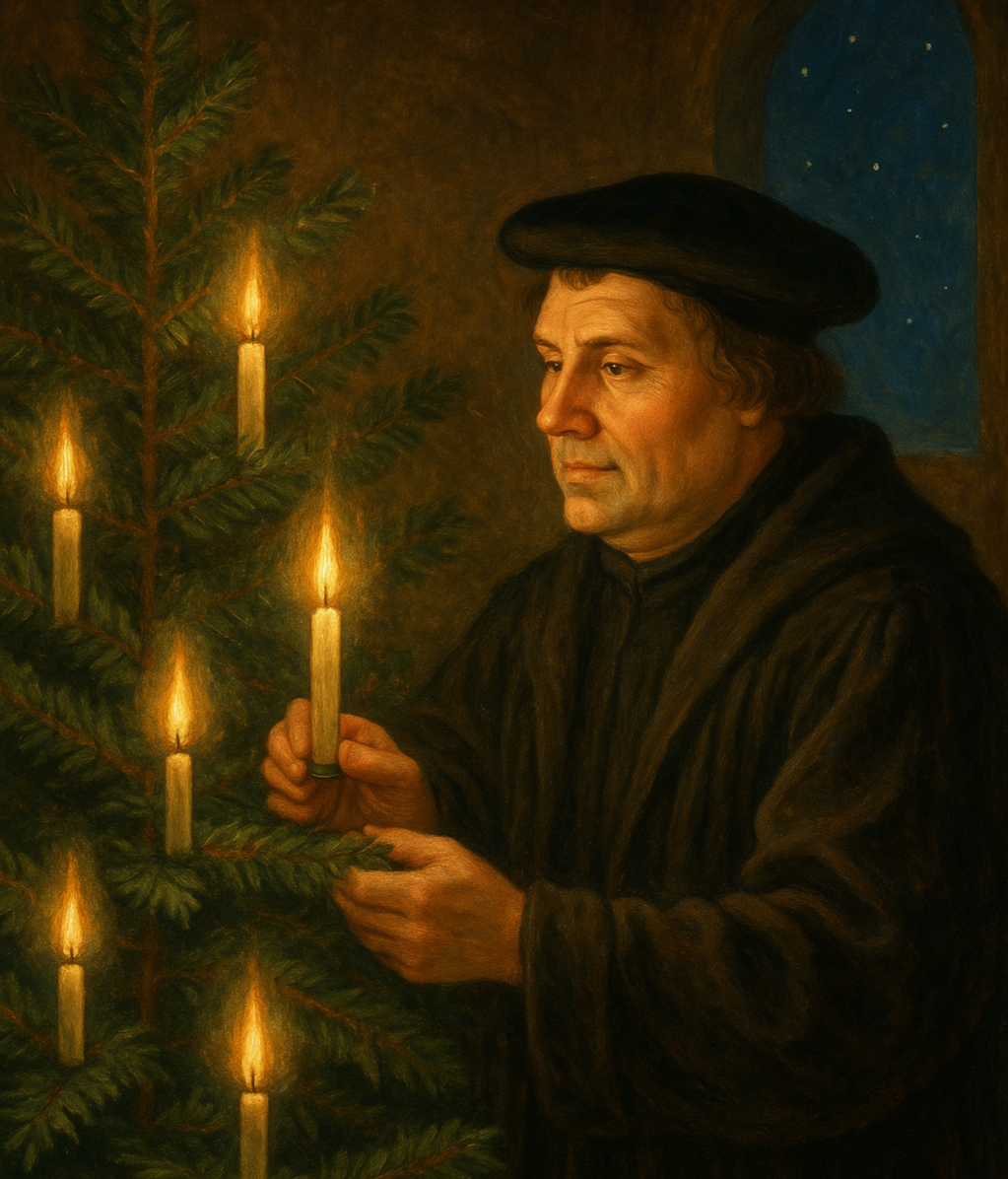
Martin Luther decorating the Christmas tree
The purpose of this page is to acquaint us with the meanings behind the Chrismons on our Christmas tree. This page explains each symbol individually; however, many ornaments combine several symbols.
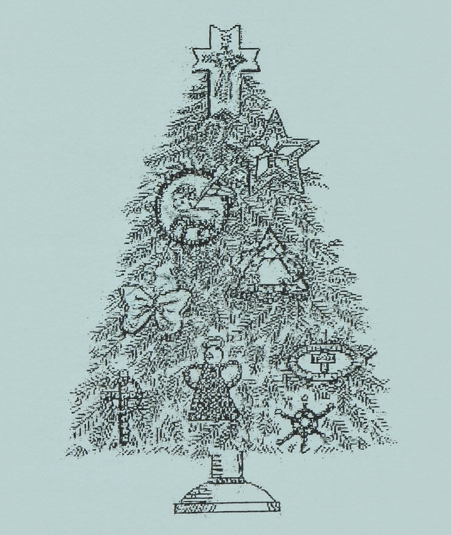
Christmas Tree
The tree itself is a symbol. The Christ tree is an adaptation from the pagan world. In Christian symbolism, the tree is an ever present witness to the change of seasons with its pattern of hope, fulfillment and resurrection after decline. With the use of an evergreen tree we symbolize the eternal life we have in Jesus whose birth we celebrate at this time of the year.
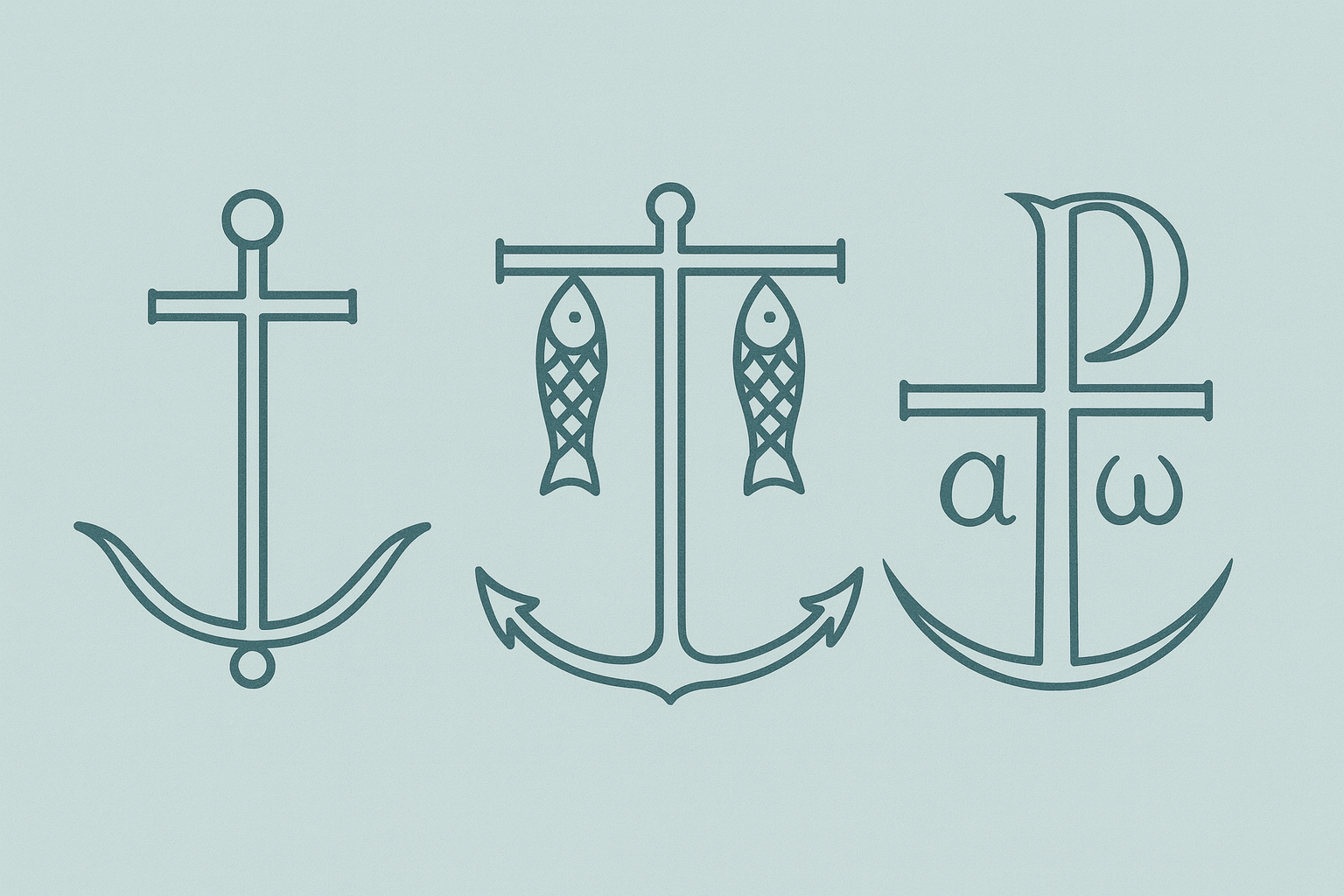
Anchor
The source of this symbol is St. Paul. “Which hope we have as an anchor of the soul, both sure and steadfast…”. This is one of the most ancient Christian symbols. It was found with the oldest inscriptions in the catacombs as a sign of the fixed hope of Christians. In those times the symbol of the anchor signified the Cross only to those who knew its meaning.
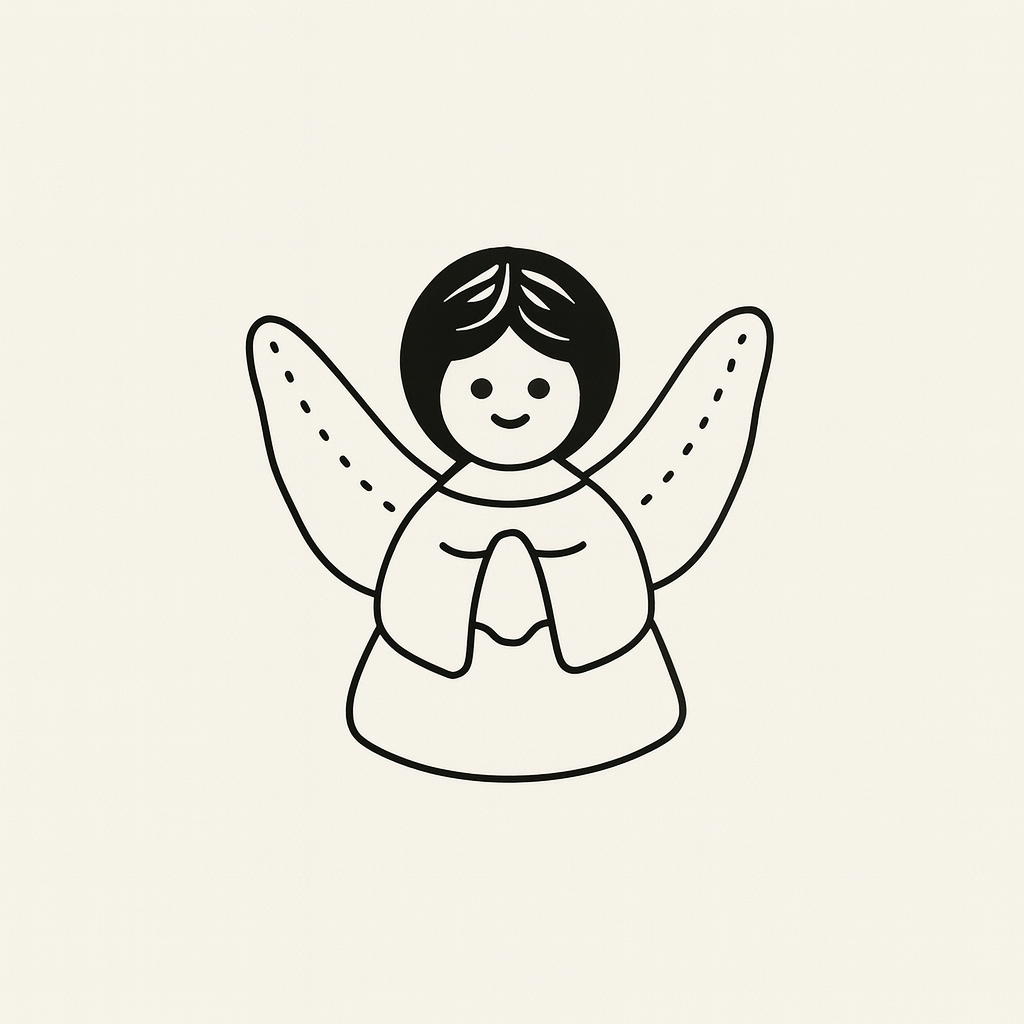
Angels
In the earliest centuries the Divine Will was symbolized by the hand of God. Angels, being instruments of this Will, took the place of the hand in later times. Although no one really knows what an angel looks like, they were given human bodies with accompanying attributes to stand for their functions. They are a means of communication between God and man. Their mission includes bringing messages, executing justice and worship.
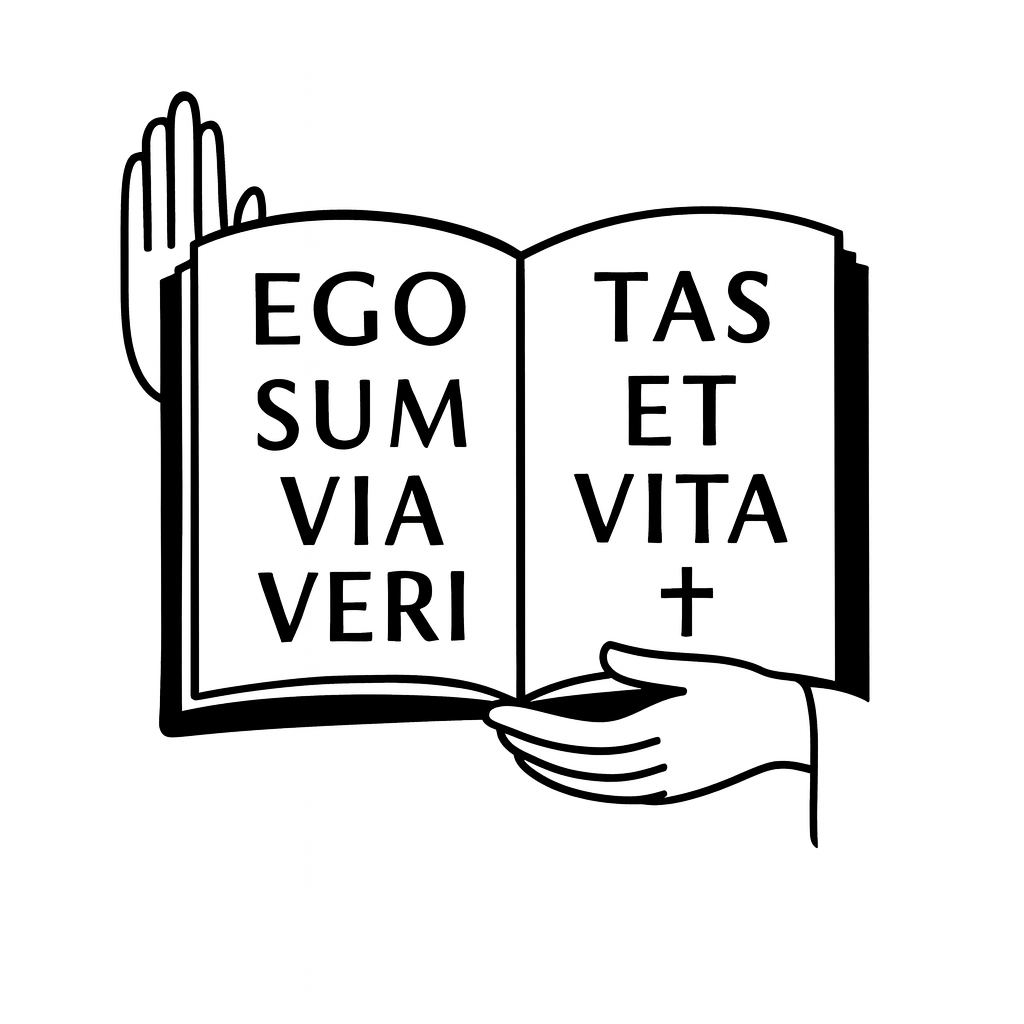
Book
Books have been used through history to signify learning, teaching and writing. Medieval symbolism portrayed mystery in the closed book, secrecy in the sealed book and sharing the truth by text and doctrine in the open book.

Butterfly
This symbolized resurrection to eternal life through Jesus Christ. It represents the three stages of the Christian. First, man is lowly as the larva here on earth. Second, the chrysalis resting in its cocoon is like the body of man, apparently lifeless, in the grave. Third, the butterfly emerges with its beautiful new body and rises heavenward.
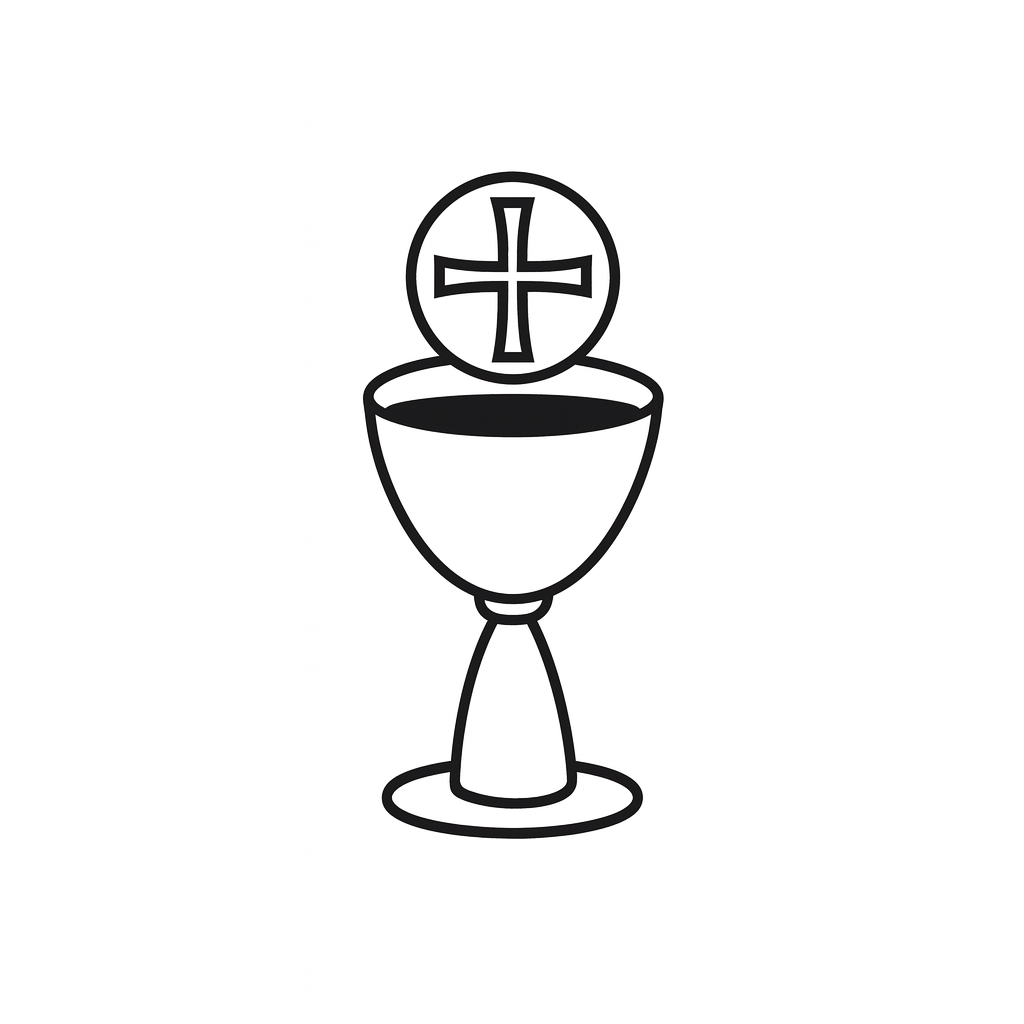
Chalice & Host
The cup of wine and the bread used at the Last Supper have been the symbols of Holy Communion from the very beginning of Christianity.
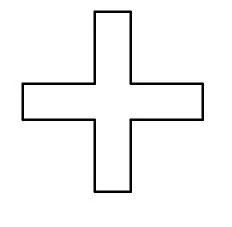
Cross, Greek
This cross has equal arms and came into common use taking the place of the Chi Rho symbol. It is used more in the East than in the West. The more literal Western mind has settled on the traditional form as most likely resembling that used at the Crucifixion, while the Greeks have transformed the instrument of cruelty into an ornament.
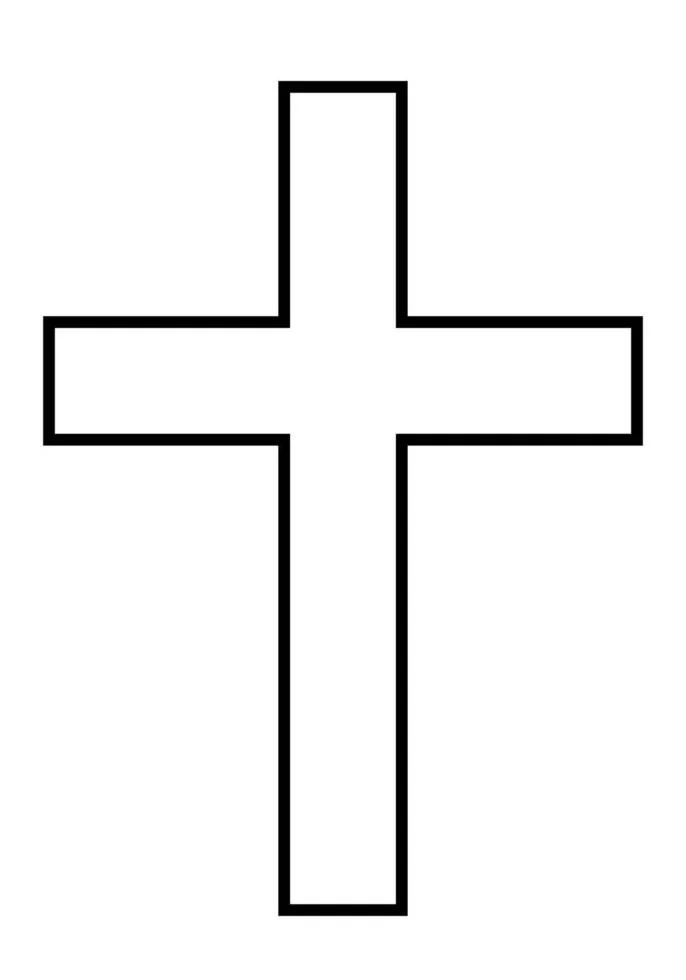
Cross, Latin
The cross symbolizes Christ’s crucifixion and the Latin cross is the most familiar symbol of the cross in the Western world. It originates essentially as a symbol of Christ, but has been given deeper meanings and by its universal use has come to signify Christianity.

Cross, Tau
This is an Old Testament symbol which represents the cross on which Moses raised the brazen serpent in the wilderness. That cross in turn represented the death of Christ and his victory over the serpent or Satan.
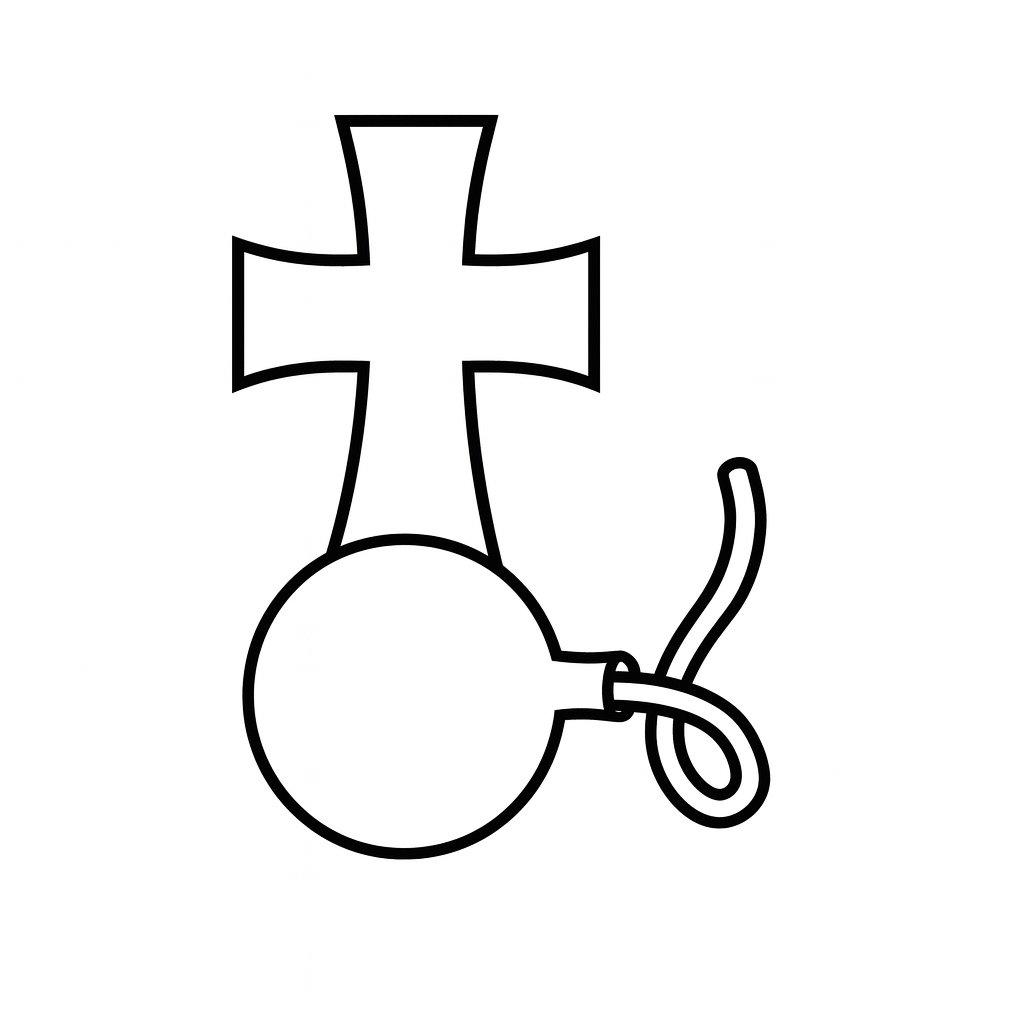
Cross on Orb
This symbolized Christ over the world. “God has put all things under His feet.” Eph. 1:22
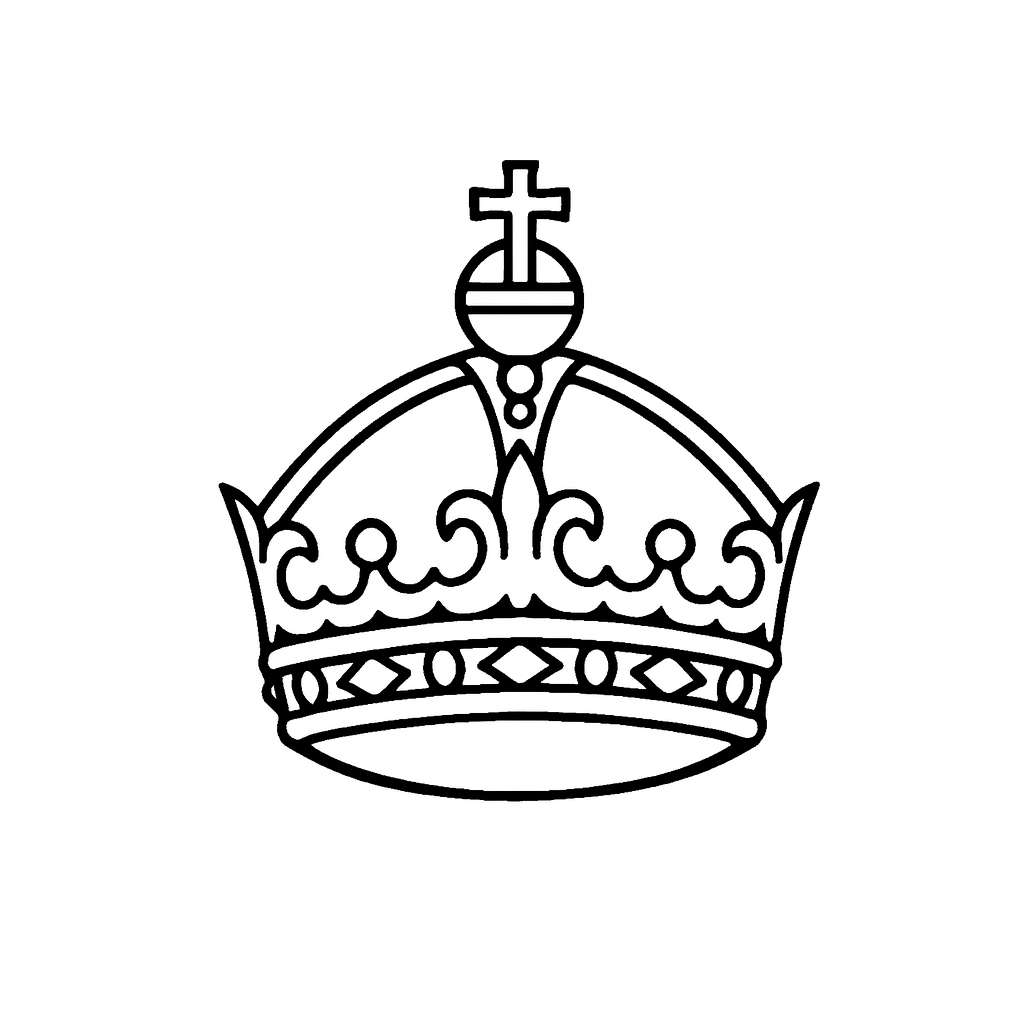
Crown
The crown is an ancient symbol of honor, sovereignty, and victory. It continues to be used with the traditional meanings as well as the new Christian implications (“the crown of life”). There are many allusions to the crown in both the Old and New Testaments.
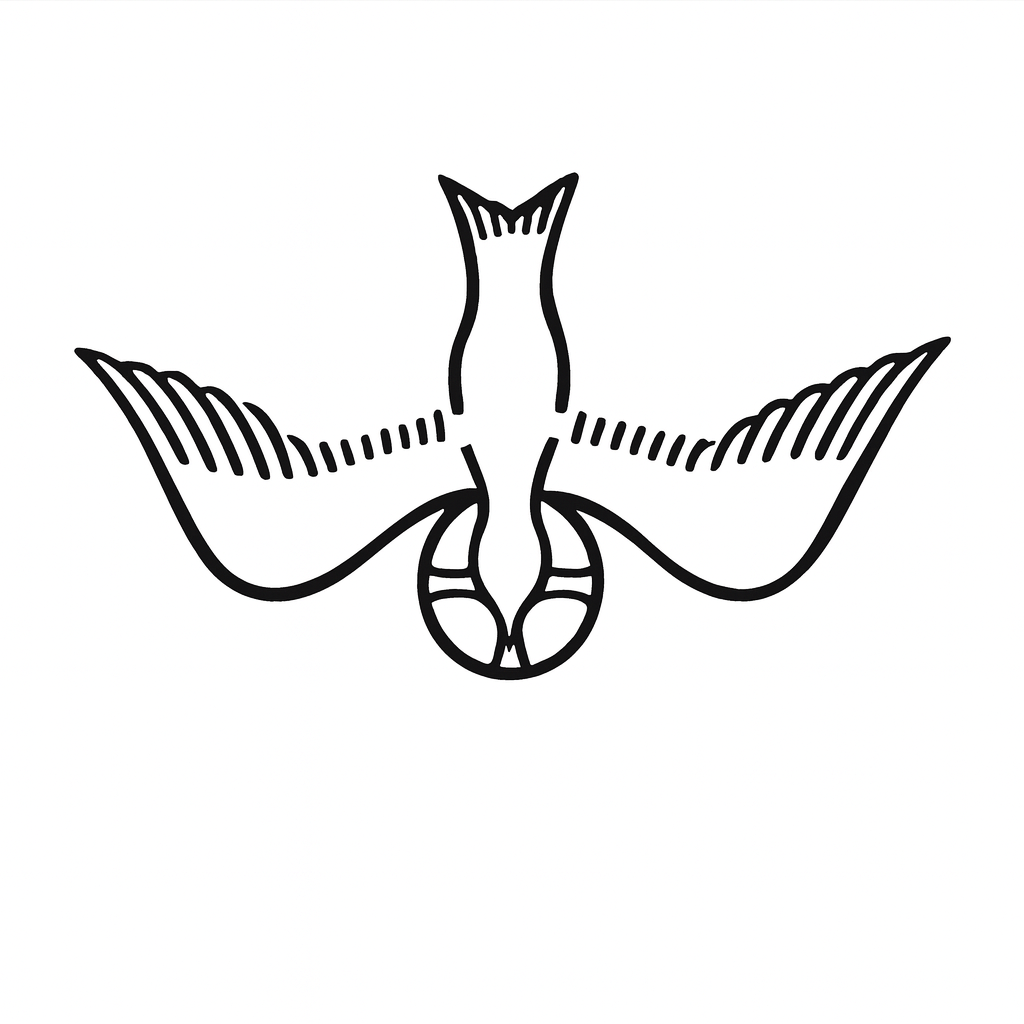
Dove
This is the most widely used symbol of the Holy Spirit. All four apostles record the appearance of the Holy Spirit in the form of a dove at the baptism of Christ.
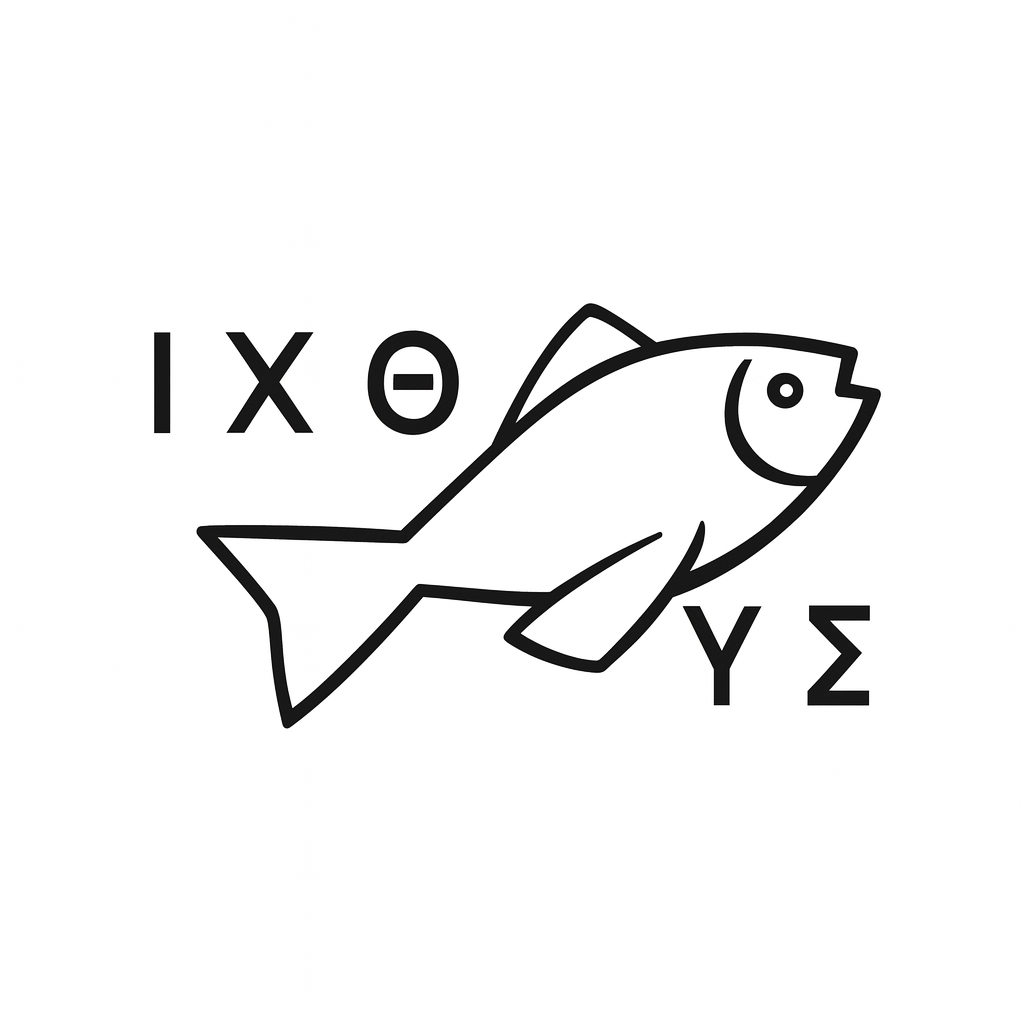
Fish
This symbol of Christ had its origin in the acrostic form by the letters in the Greek word for fish: ΙΧΘΥΣ
I — Ἰησοῦς (Iēsous) — Jesus
Χ — Χριστός (Christos) — Christ / the Anointed One
Θ — Θεοῦ (Theou) — of God
Υ — Υἱός (Huios) — Son
Σ — Σωτήρ (Sōtēr) — Savior
During the years of secret Christianity, it was popular because of its deep significance to the initiated while it was mere decoration to a non-Christian.
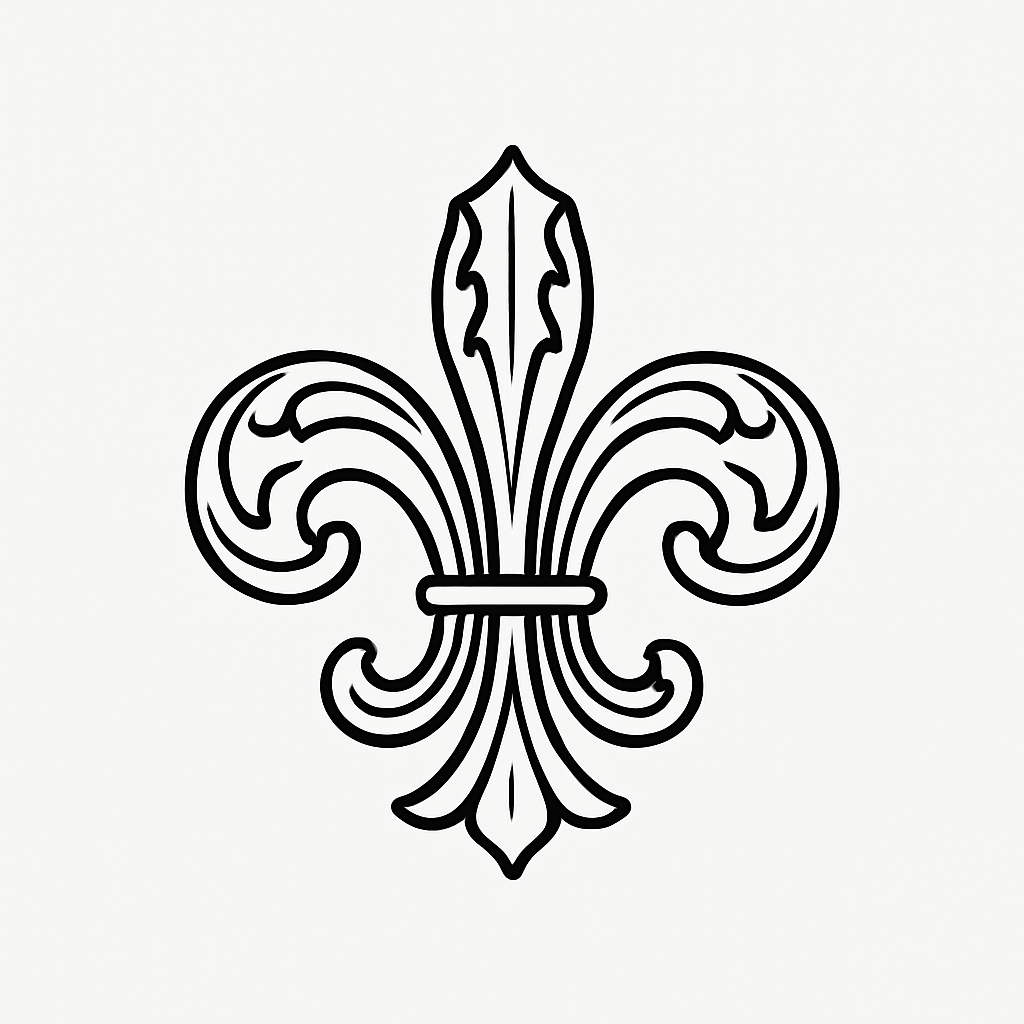
Fleur de Lis
This was the heraldic flower of the Middle Ages. It was commonly accepted that it was derived from the lily and is a symbol of the Blessed Virgin. It is the symbol of purity and appears in most representations of the Annunciation.
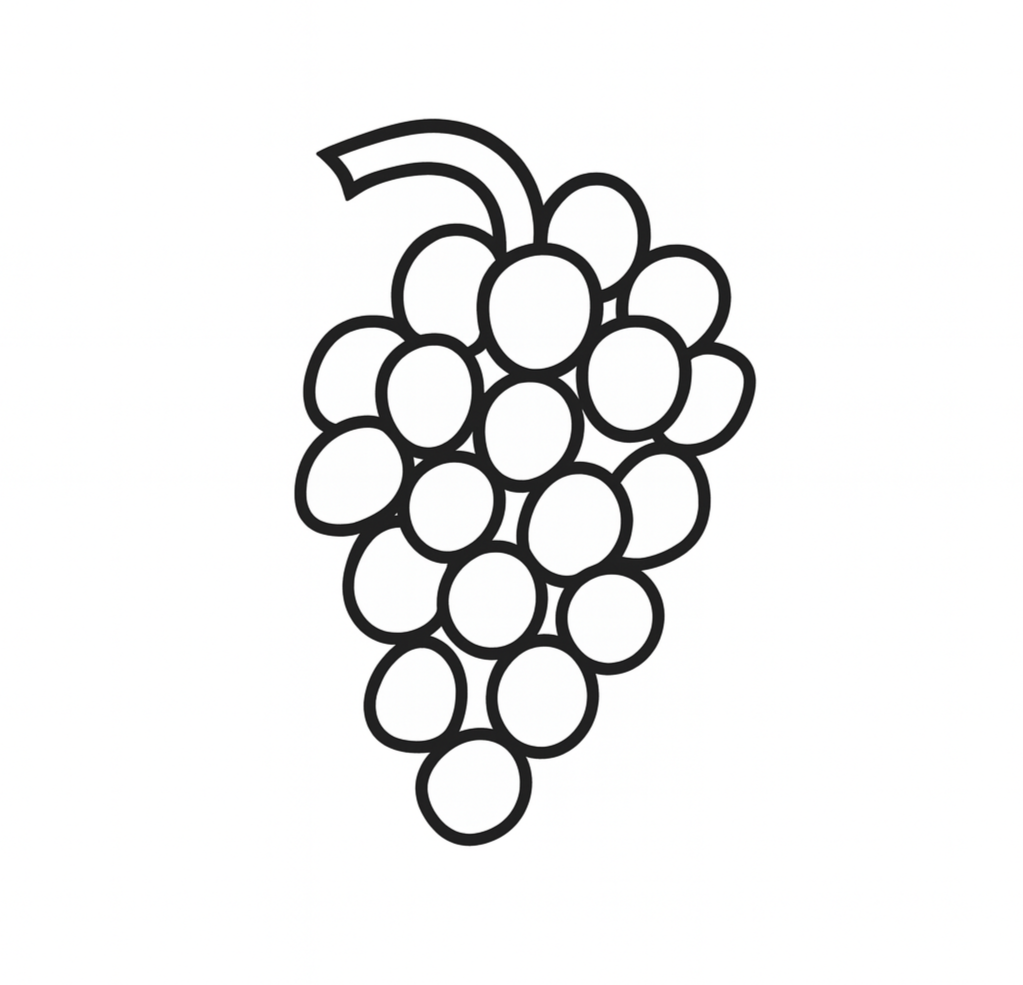
Grapes
When used in combination with wheat, grapes are easily recognized as a symbol for Holy Communion.
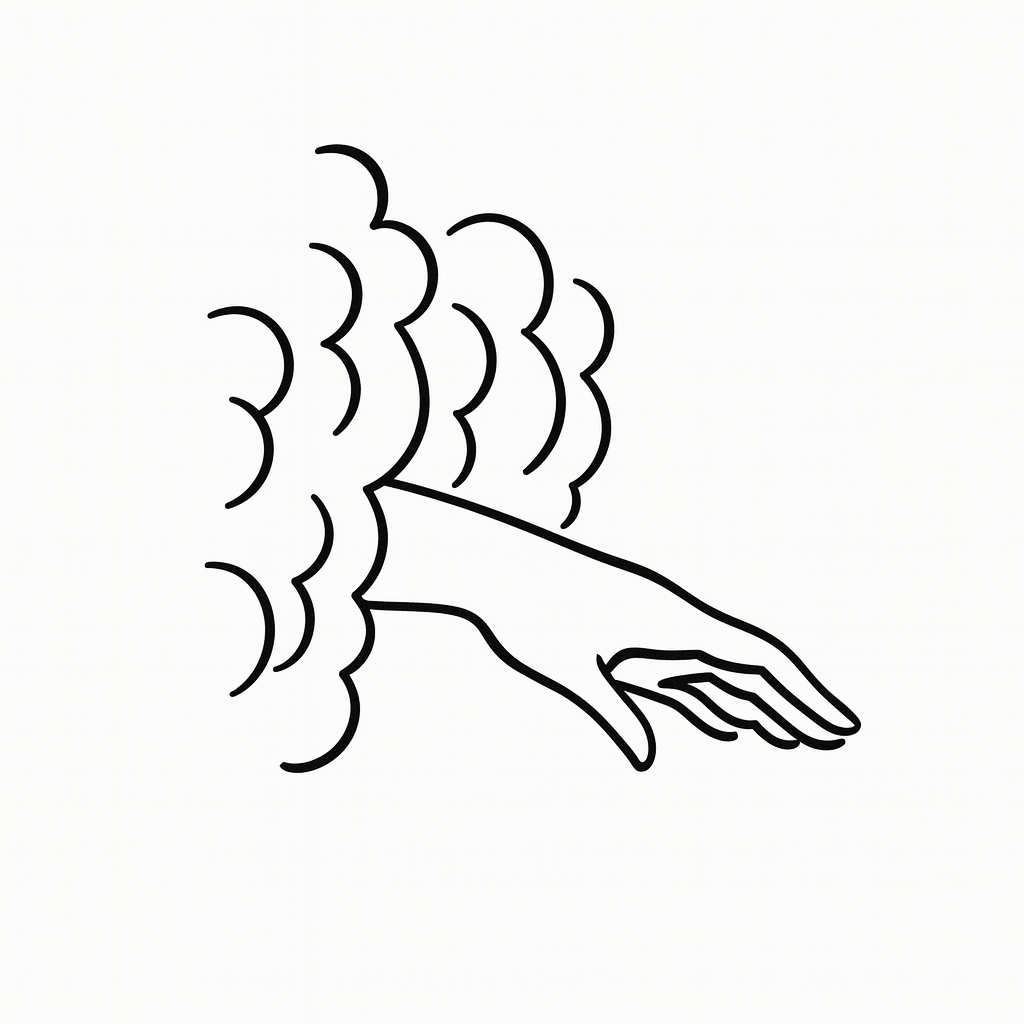
Hand
This was the symbol constantly in use during the first eleven centuries to express the Presence and Will of God the Father. It is usually shown emerging from a cloud which conceals the Majesty of God which no man can behold and live. When the hand is open it suggests beneficence. When it has two forefingers extended or when the middle finger is bent with the thumb crossed on the fourth finger it represents blessing.
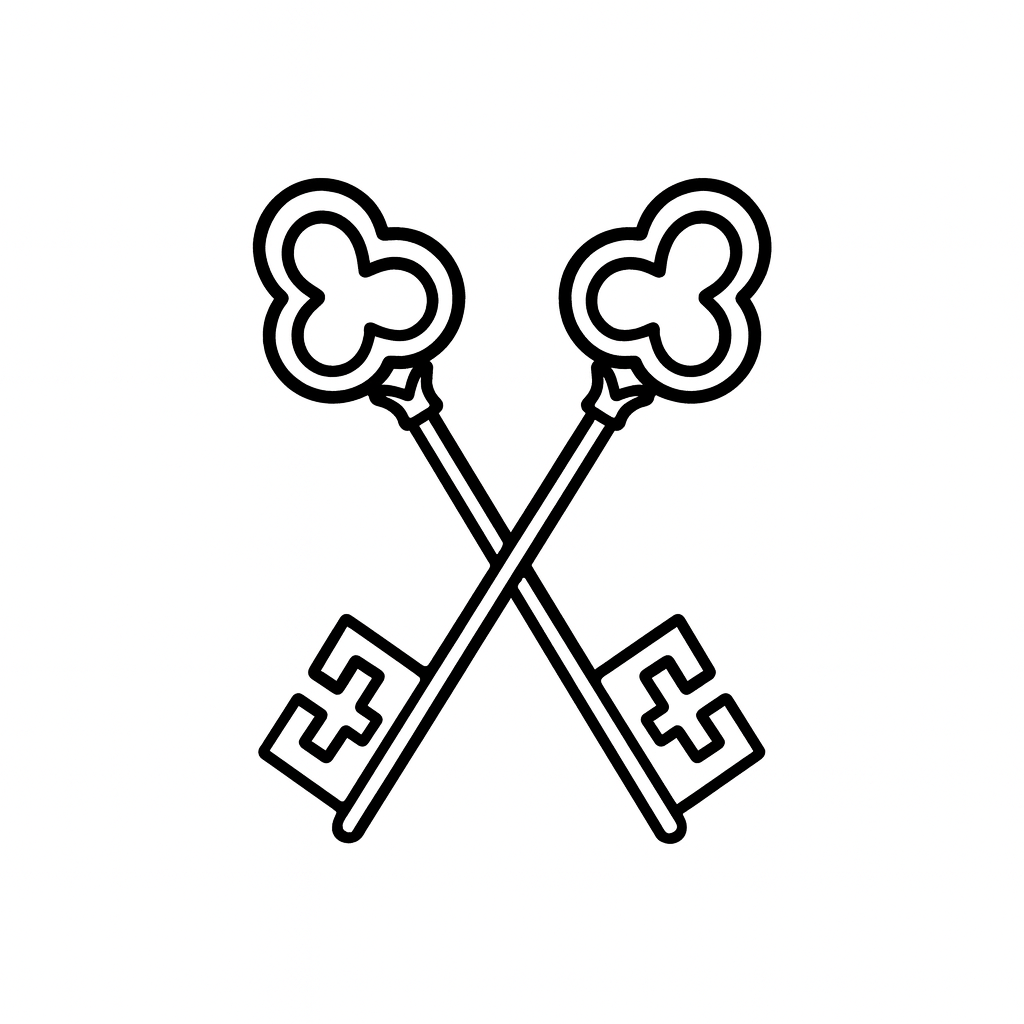
Keys
These are a symbol of the spiritual powers conferred upon St. Peter by Christ: “… I will give unto you the keys of the kingdom of heaven; and whatsoever you shall bind on earth shall be bound in heaven; and whatsoever you shall loose on earth shall be loosed in heaven.” (Matthew 16:19) The keys are commonly shown as one of gold and the other of silver.
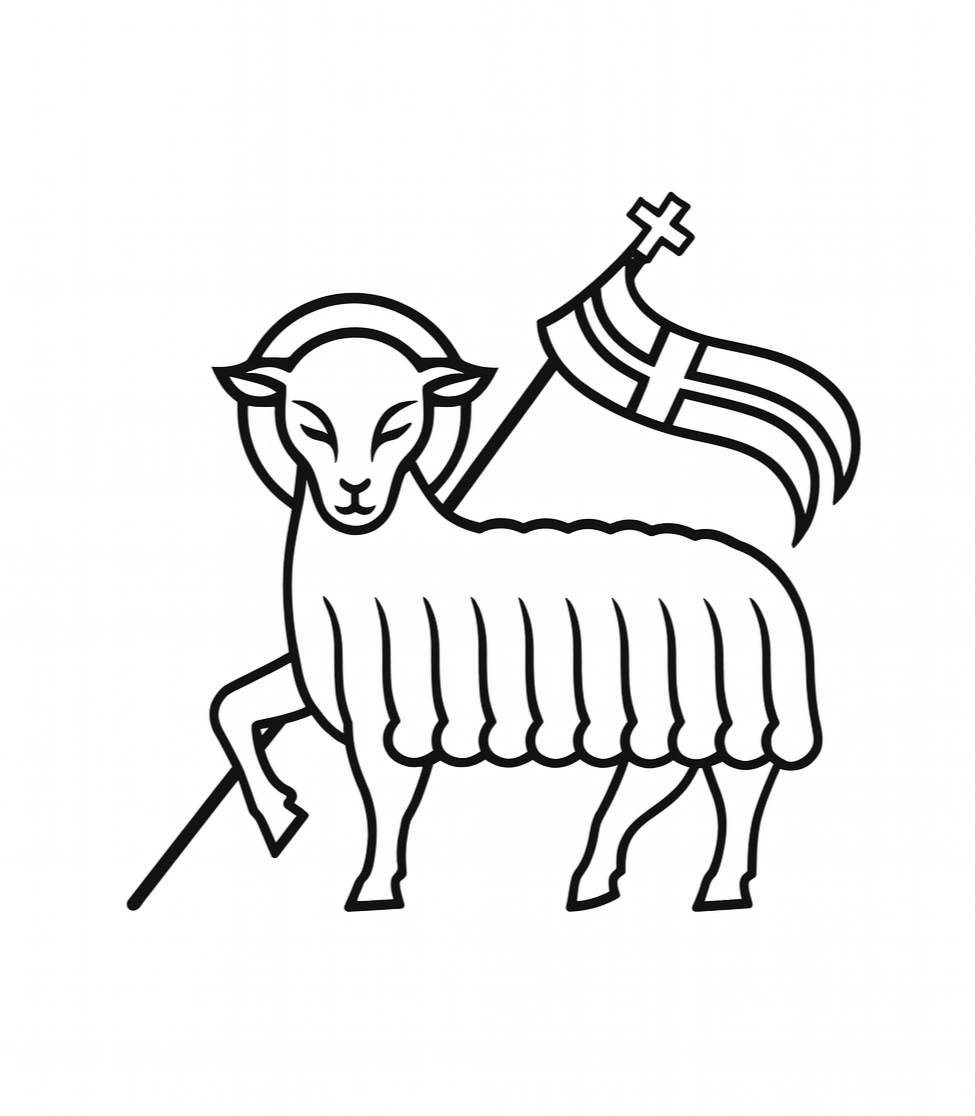
Lamb
This is a symbol of Christ as the Lamb of God.
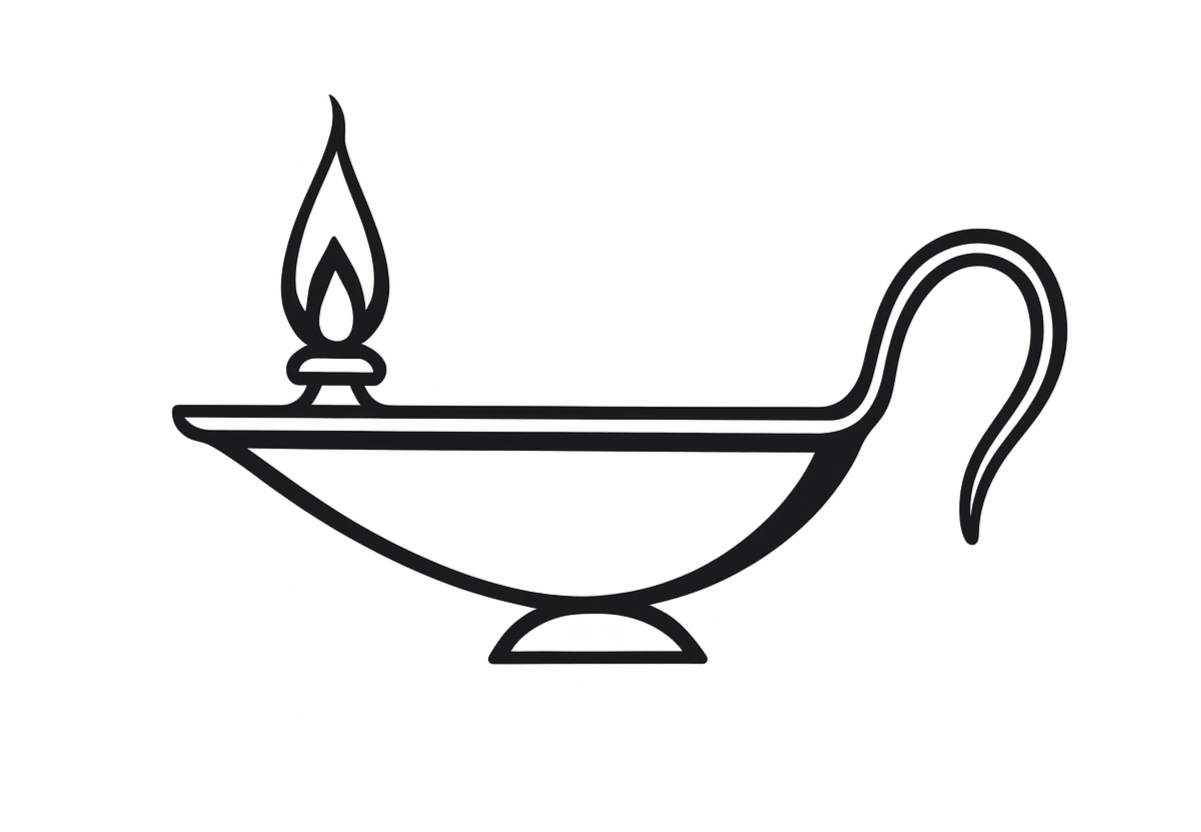
Lamp
This is a symbol of scripture as the Word of God. “Thy word is a lamp unto my feet”. Psalm 119:105
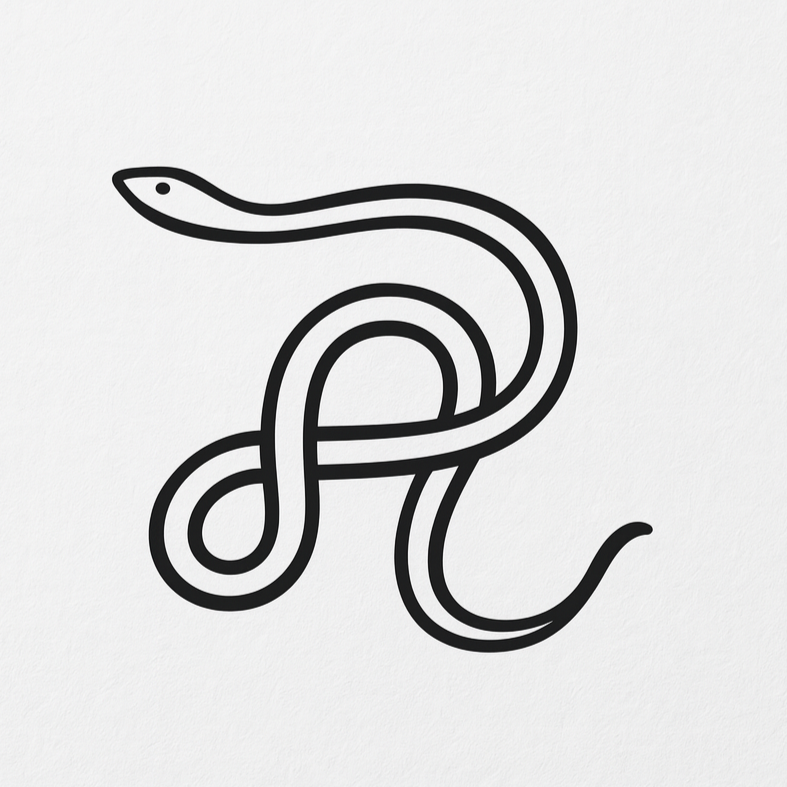
Serpent
This is a symbol of evil and particularly of Satan who tempted Eve in this form. The brazen serpent is a symbol of Christ crucified as teh serpent saved the Israelites in the Wilderness.
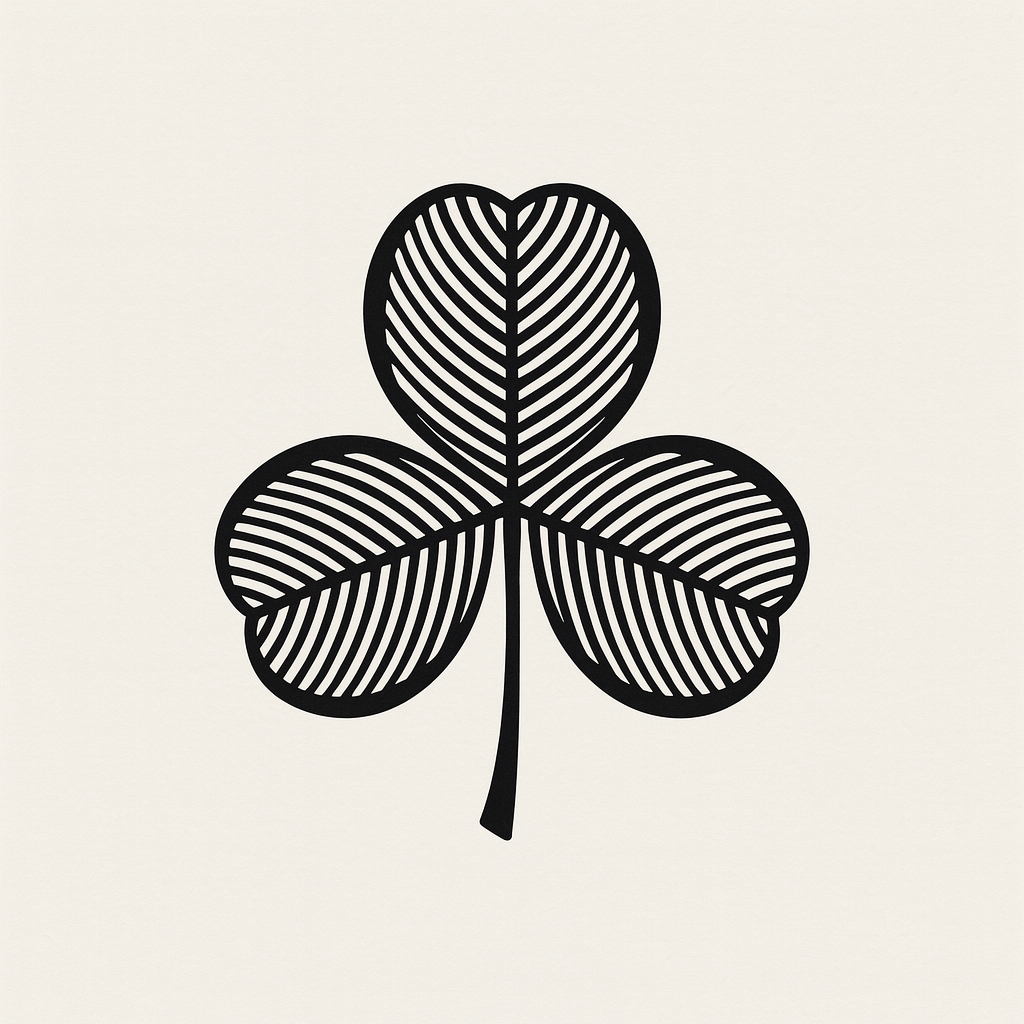
Shamrock
This is a symbol of the Trinity. It was used by St. Patrick, according to legend, to demonstrate the mystery of the Trinity to Leoghaire, Chief of Chiefs in Ireland.
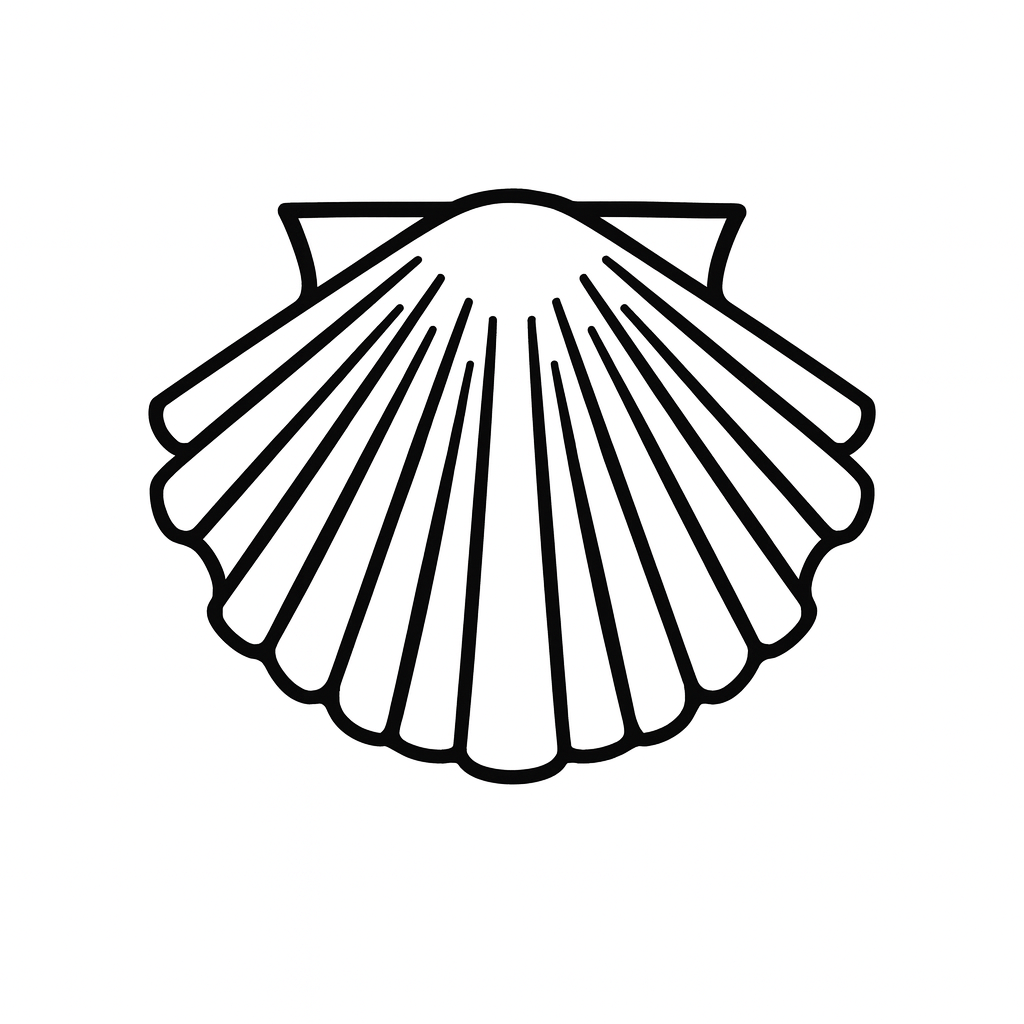
Shell, Scallop
The shell is a symbol of Baptism. This way of representing the Baptism of Christ has always followed the current way of administering the sacrament. At the end of the 12th century, Baptism by poured water rather than immersion began to be represented. Since that time the shell has been a common container of water.
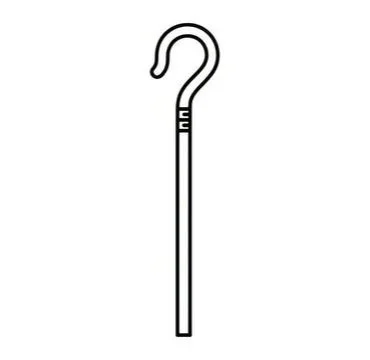
Shepherd’s Crook
This, of course, represents Jesus as the Good Shepherd. It is also a symbol of authority and jurisdiction. The end is pointed and sharp to prick or goad the lazy. The staff is straight to signify righteous rule. The crooked head is to draw souls to the ways of God.

Star, 5-Point
This star represents Epiphany, not the Nativity as Christmas decorations and cards would lead us to believe.
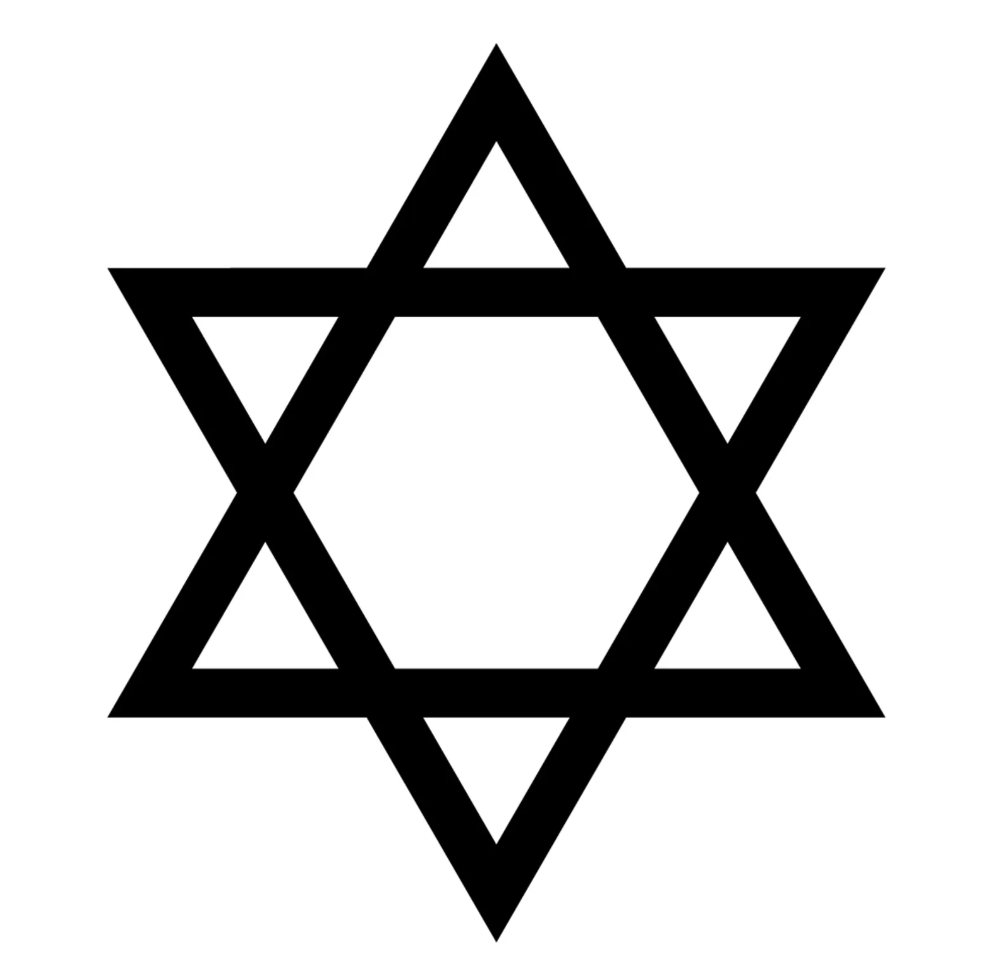
Star, 6-Point
The Creator’s Star. This star symbolizes Creation and expresses the fact that it was the Triune God who created heavens and earth. It is formed by superimposing one equilateral triangle on another.

Star, 7-Point
This represents the seven gifts of the spirit in Revelation 5:12. “Worthy is the Lamb, who was slain, to receive power and wealth and wisdom and strength and honor and glory and praise!”
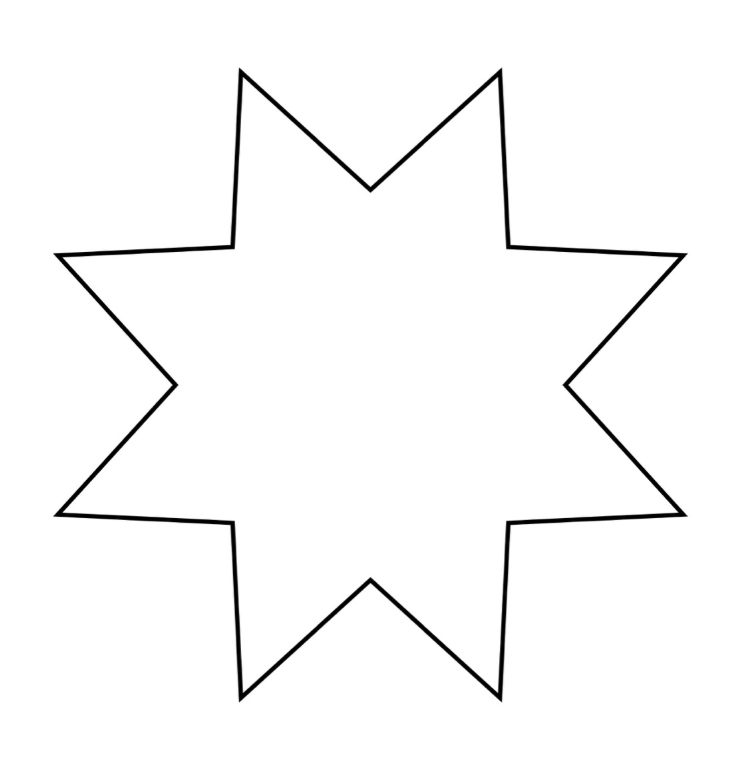
Star, 8-Point
This star represents man’s regeneration through Holy Baptism.
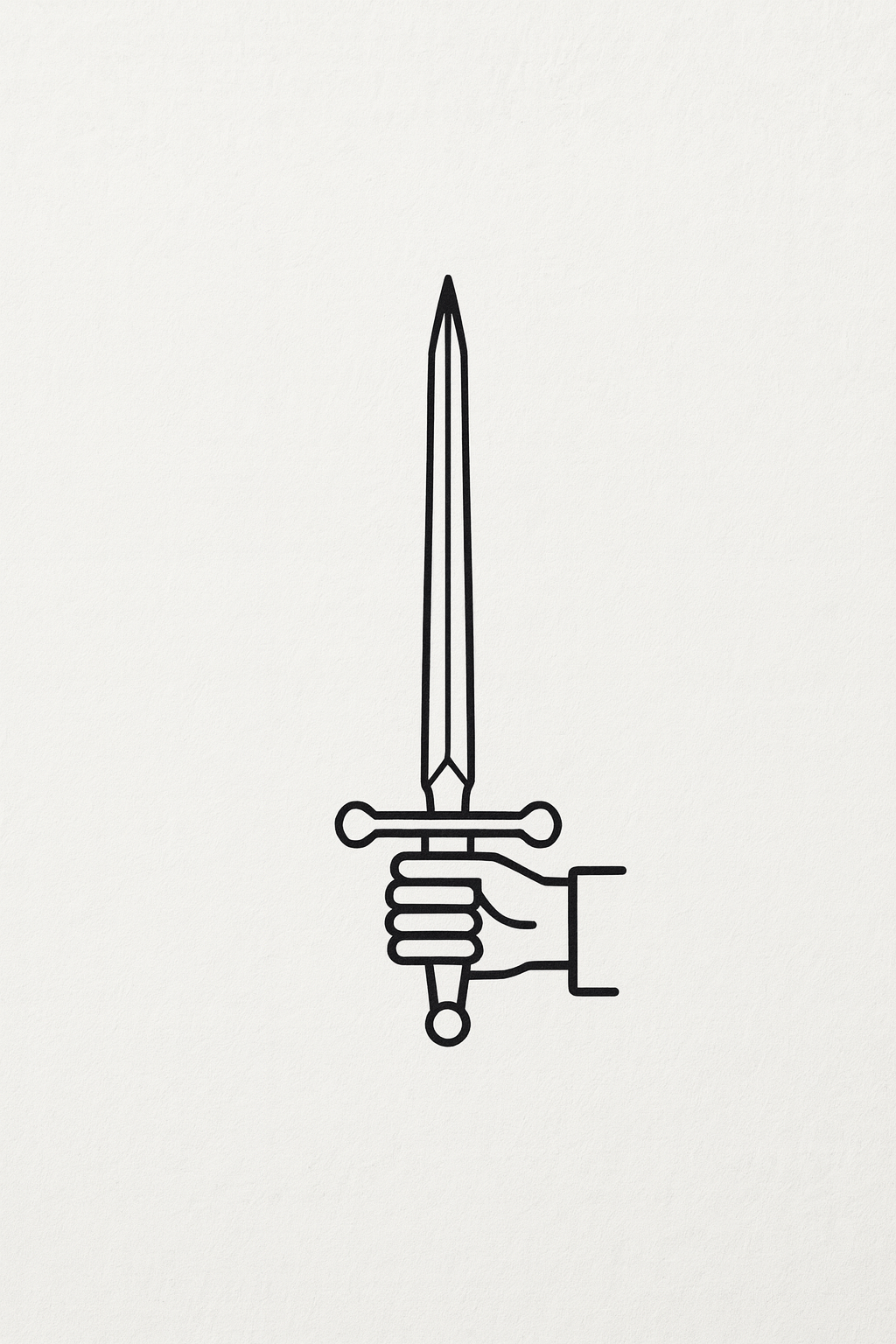
Sword
This is a symbol of spiritual armament as talked about by St. Paul. “And take unto you the helmet of salvation and the sword of the Spirit, which is the word of God.” Eph. 6:17
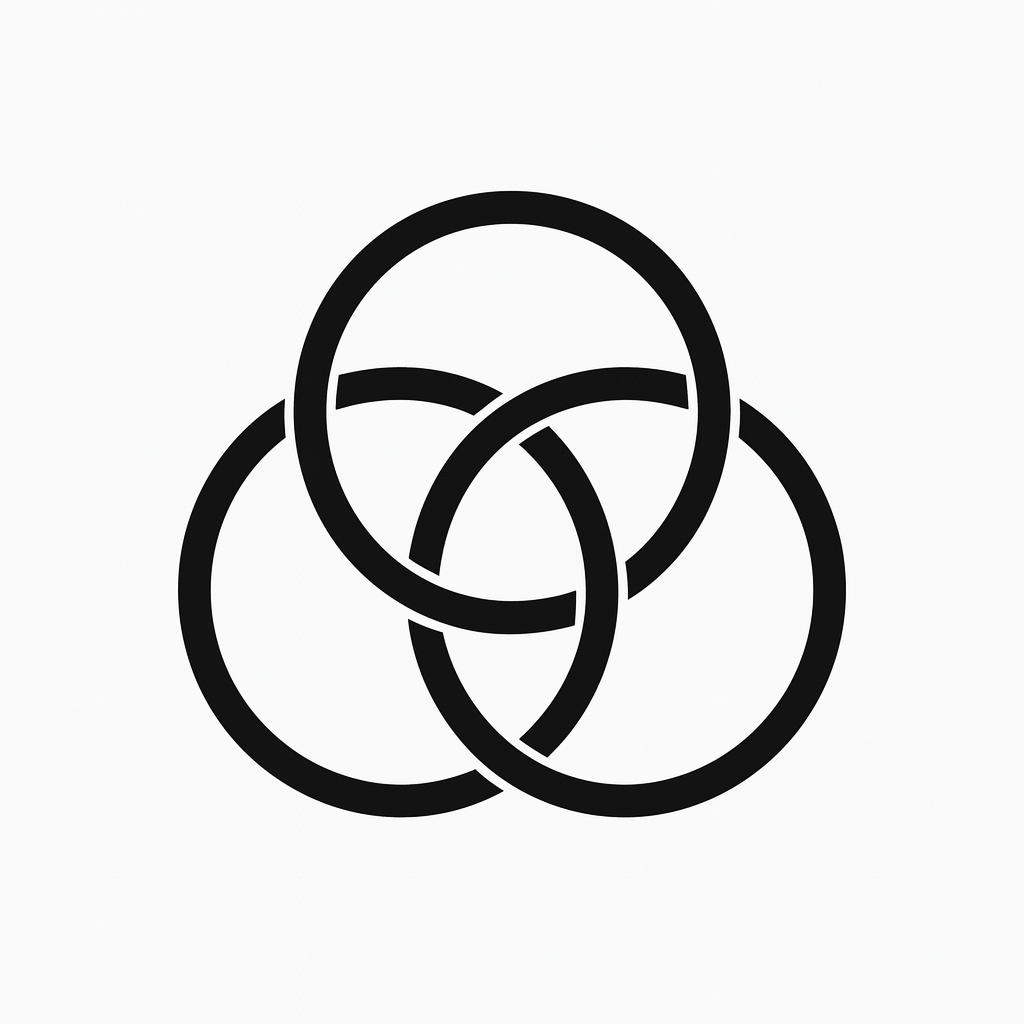
Three Circles
Three intertwined circles, without beginning or end, depicts the personal unity, equality and eternity of the Triune God.
Triangle, Equilateral
Symbol of the Trinity.
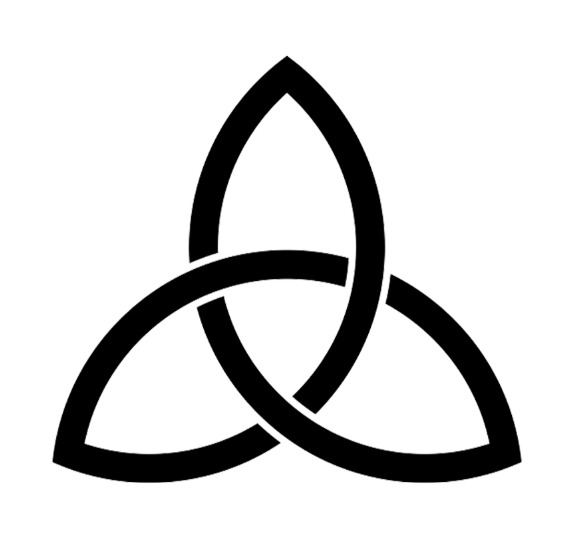
Triquetra
This is a symbol of the Holy Trinity.
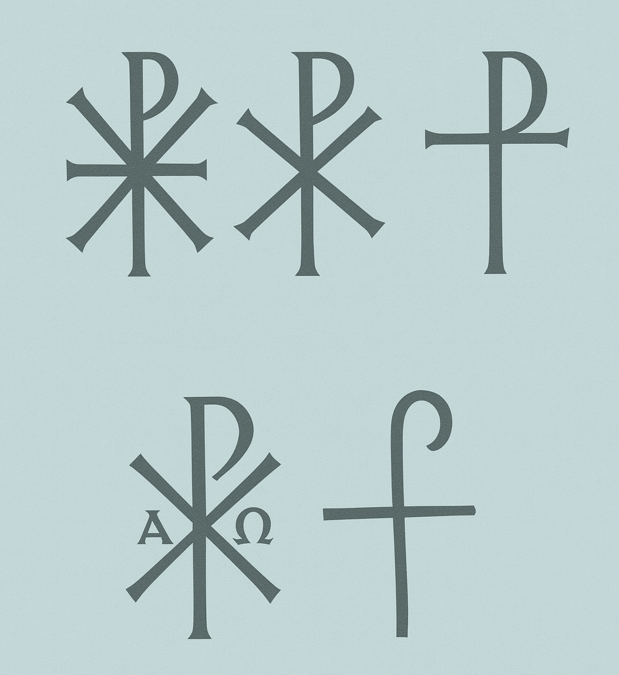
XP (Chi Rho)
The history of this symbol extends from its beginning as a monogram incorporating the first two letters of the name of Christ in Greek characters to the cross. It was openly used for the first time by Christians during the fifth century.